
You know that “uh-oh” feeling when you hear a strange noise behind your camper on the highway? That tiny moment is exactly why camper insurance matters. It turns big “uh-oh” problems into small, manageable issues so your trip doesn’t get ruined.
Most people think their car policy fully covers their travel trailer, fifth wheel, or pop up camper, but that’s rarely true. In 2026, more states expect owners of towable RVs and camper vans to carry proper coverage, especially when they’re loaded with expensive gear and tech.
In this friendly guide, you’ll learn what camper insurance really covers, how much it costs today, how to lower your camper insurance rates, and which extras like storage coverage, towing coverage, and contents protection are truly worth the money.
What Exactly Is Camper Insurance in 2026?
Here’s the thing: camper insurance in 2026 is smarter and more flexible than it was a few years ago. It blends parts of auto and home insurance so your rolling home and your stuff inside both stay protected.
For motorized rigs like camper vans and small motorhomes, RV camper insurance works kind of like a car policy with added options for living space and belongings. For towable rigs, like a camper trailer, fifth wheel, toy hauler, or pop up camper, the liability part may come from your tow vehicle, but physical damage and contents usually need their own policy.
You can also add extras like storage coverage for off-season months, towing coverage for breakdowns, and special protection for solar panels, awnings, or satellite dishes that many 2026 campers now have.
Types of Campers That Need Insurance
Most people don’t know this: different camper styles bring different risks, so insurers treat them differently.
Towable Campers
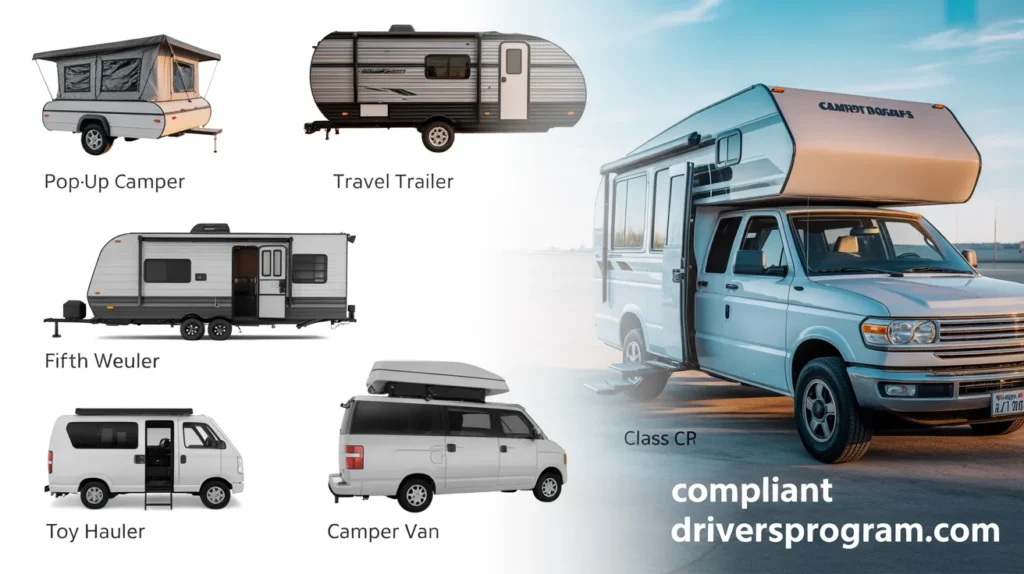
Towable campers don’t move on their own, but they still need protection. These include:
- Travel trailers
- Fifth wheels
- Toy haulers
- Pop up campers
Your car or truck’s liability may extend to the trailer on the road, but damage to the camper itself, theft from inside, and storm damage usually need separate camper trailer insurance or travel trailer insurance.
Motorized Campers
Motorized rigs are treated like bigger, heavier vehicles with living space:
- Class B camper vans
- Small Class C RVs
- Custom van conversions
These need full rv camper insurance, including liability, collision, and comprehensive, plus options for personal belongings and emergency expenses.
Pro Tip: If your camper is motorized and you drive it on public roads, you almost always need at least liability coverage by law.
Do You Need Insurance on a Camper in 2026?
You might be asking: “Do you have to have insurance on a camper in 2026?” The short answer: almost always yes for motorized rigs and strongly recommended for towables.
According to updated state rules, nearly every state now requires liability insurance for self-powered RVs and camper vans when they’re on the road. Towable campers may not be directly mandated in every state, but many states require that any trailer attached to a vehicle be properly covered for liability.
Even if the law doesn’t force you, think about your investment. A mid-range fifth wheel or toy hauler can cost as much as a small home, and storm or theft damage can happen while it’s parked in storage. That’s why do I need camper insurance is really a question about how much risk you’re willing to carry alone.
Pro Tip: Check your state’s current RV rules through your DMV site or resources linked by the National Association of Insurance Commissioners.
Core Coverages in Camper Insurance
Most people don’t know this: the coverage names sound similar to car insurance, but the way they work for campers is a bit different.
1. Liability Coverage
Liability covers injuries or property damage you cause to others while using your camper. For motorized units, it’s required in almost every state.
Liability limits might look like “50/100/25,” which means $50,000 per person, $100,000 per accident for injury, and $25,000 for property damage. States set minimums, but many owners choose higher limits for real-world protection.
2. Collision Coverage
Collision pays for damage to your camper from accidents, regardless of fault. This is especially important for larger fifth wheels and toy haulers, where repair bills can quickly reach thousands.
3. Comprehensive Coverage
Comprehensive covers non-crash damage like theft, vandalism, fire, hail, and falling branches. This part becomes crucial when your camper sits in storage for months.
If you already read about Comprehensive Insurance, the idea is very similar but tailored to campers and RVs.
4. Contents (Personal Property) Coverage
Most campers carry laptops, tools, kitchen gear, clothes, and camping equipment. Contents coverage protects those items if they’re stolen or damaged by a covered event.
Some policies include $5,000–$10,000 of basic contents coverage, but 2026 policies for full-timers may allow $15,000–$25,000 or more.
5. Storage Coverage
Storage coverage (sometimes called “lay‑up” or “storage option”) lets you lower or pause liability and collision when your camper is parked for long periods. That can cut your premium by up to 50% in some cases.
6. Towing and Roadside Coverage
Towing coverage and roadside help step in when you break down. In 2026, many plans include:
- Towing to the nearest repair shop
- Tire changes
- Fuel delivery
- Jump starts
These extras usually cost $50–$150 per year but can save much more in a single long-distance tow.
7. Full-Timer and Vacation Liability
If you live in your camper six months or more, you may need “full-timer” coverage, which works like a mix of home and auto liability.
Weekend and vacation users can often add cheaper campsite liability that protects you if someone gets hurt at your campsite or inside your camper trailer while parked.
Camper Insurance Cost in 2026: Real Numbers
Camper Insurance Calculator 2026
| Coverage Component | Annual Cost |
|---|---|
| Total Estimated Annual Premium | — |
Let’s get to what you really want to know: how much does camper insurance cost in 2026?
Recent data and 2025–2026 rate trends show these typical yearly ranges:
| Camper Type | Typical Annual Cost 2026 | Notes |
|---|---|---|
| Pop up camper | $240–$552 | Lower value, simpler coverage |
| Small travel trailer | $250–$600 | Depends on size and age |
| Large travel trailer | $400–$800 | Higher for luxury models |
| Fifth wheel | $500–$1,000 | Higher value and weight |
| Toy hauler | $400–$900 | Extra risk due to ATVs, bikes |
| Camper van | $600–$1,500 | More for custom conversions |
| Full-time RV/camper | $1,500–$4,000 | Includes full-timer coverage |
Average RV insurance across all types in 2025 was around $1,500 per year, and 2026 pricing is staying close to that, with slight increases in some states.
So when you ask how much is camper insurance or how much is insurance on a camper trailer, these ranges give you a solid starting point before getting quotes.
What Affects Camper Insurance Rates in 2026?
Insurance companies in 2026 use more data than ever, including driving history, storage ZIP code, and even usage patterns.
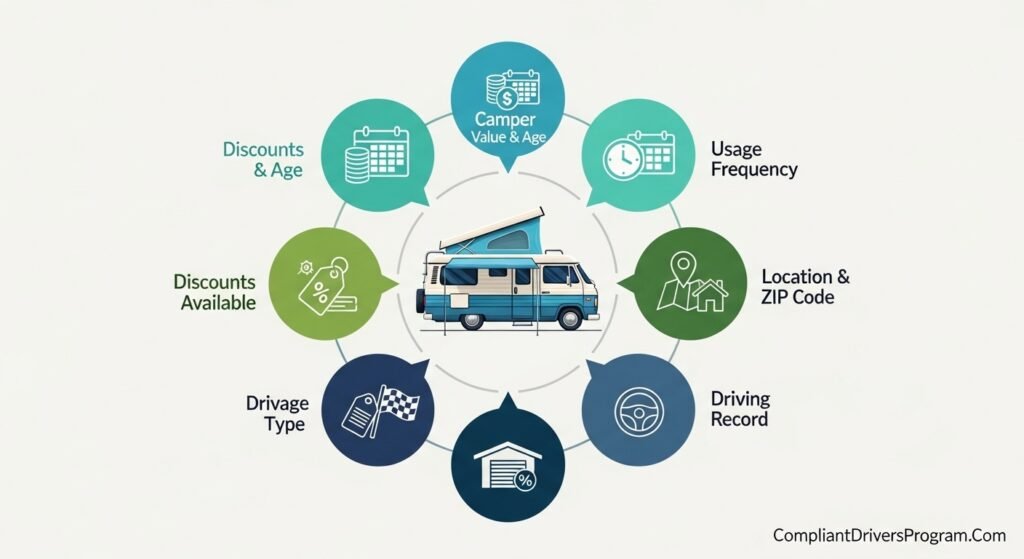
Key factors include:
- Camper value and age: Newer, more expensive units cost more to repair and insure.
- Usage: Full-time living costs more than a few weekend trips.
- Location: States with more storms, theft, or lawsuit risk usually have higher camper insurance rates.
- Driving record: Clean records usually bring lower camper insurance cost and better discounts.
- Storage: Indoor or secure storage can reduce rates compared to street or driveway parking.
Many companies now offer discounts for limited mileage and safe driving courses, which can be a smart move if you only travel a few months each year.
Pro Tip: Ask about “garaging” or storage address rating. Keeping your camper at a safer ZIP code sometimes lowers your premium.
Best Methods to Get Camper Insurance Quotes
When you’re serious about camper insurance quotes, you want clear numbers and fair coverage, not just the cheapest deal.
Step 1: List Your Details
Write down:
- Year, make, and model of your camper
- Type (travel trailer, fifth wheel, pop up camper, camper van, toy hauler)
- How often you travel
- Where you store it off-season
- Any big upgrades (solar, lithium batteries, custom interiors)
Step 2: Get Quotes from Multiple Insurers
According to Money’s 2026 ranking of best RV insurance companies, top names include Progressive, Nationwide, Auto-Owners, and National General.
Compare at least three camper insurance company quotes side by side, and make sure each one includes:
- Liability limits
- Comprehensive and collision
- Contents coverage amount
- Deductibles
- Roadside and towing coverage options
You can learn general car coverage basics and then apply that knowledge to campers by reading guides like Liability Insurance Car and Full Coverage Car Insurance.
Step 3: Ask About Bundles and Discounts
Most people don’t know this: bundling your camper insurance with auto, home, or other toys can save 10–25%.
Check for:
- Multi-vehicle or Multi Car Discount
- Bundle Discount Auto Insurance
- Safe driver discounts
- Storage or lay‑up discounts for off-season
If you already carry car coverage or own other specialty vehicles like a classic car or boat, guides like Classic Car Insurance and RV Insurance can help you understand how bundling works across policies.
Camper vs RV vs Travel Trailer Insurance
To keep your visitors on your site, they need quick comparisons they can understand at a glance.
Here’s a simple table showing how different options stack up in 2026:
| Option | Typical Cost Range / Year | Time Needed to Get Policy | Effectiveness | Best For |
|---|---|---|---|---|
| Towable camper insurance (travel trailer, pop up camper) | $200–$800 | 15–30 minutes online | High for part-time use | Weekenders, seasonal travelers |
| Motorized RV camper insurance (Class B/C, camper van) | $600–$1,500 | 20–40 minutes online | Very high for road trips | Road trippers, van lifers |
| Full-time RV camper insurance | $1,500–$4,000 | 30–60 minutes | Highest, more liability and contents cover | Full-time RV or camper van living |
If you’re also shopping for cars, a Cheap Car Insurance Guide and Best Car Insurance Companies can give context on how camper coverage compares to regular auto policies.
Advanced Tips to Lower Camper Insurance Cost
Most people stop after getting one quote, but you’re not “most people.” You want smart savings that don’t hurt your protection.
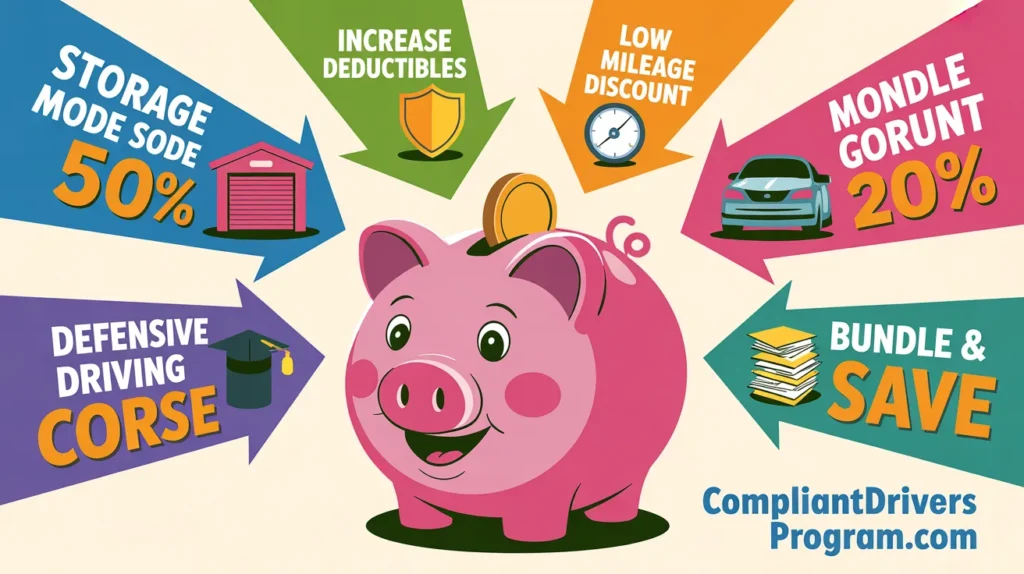
Try these advanced tips:
- Use storage mode: If your camper sits for months, ask to reduce or suspend liability and collision — some companies offer up to 50% savings while parked.
- Increase deductibles slowly: Moving from $500 to $1,000 can bring noticeable savings, but always pick an amount you can actually pay after a claim.
- Track your mileage: Low‑mileage and occasional-use programs often lower camper insurance rates.
- Take a defensive driving course: Some insurers reward this with a 5–10% discount.
- Bundle with other toys: If you also own a boat, ATV, or golf cart, check out Boat Insurance, ATV Insurance, and Golf Cart Insurance and ask about multi‑policy deals.
What to Watch Out for in Camper Insurance Policies
Quick tip: not all policies are equal, even when the price looks great.
Avoid these common traps:
- No agreed value or replacement options: Without clear language, you might get only low actual cash value for a totaled camper.
- Weak contents limits: Basic policies might only cover a few thousand dollars of contents, which isn’t enough for serious campers or full-timers.
- No coverage for custom work: If you’ve upgraded your camper van or toy hauler, be sure custom parts and conversions are listed.
- Ignoring exclusions: Some policies limit coverage for rentals, off-road use, or long-term living, which matters if you plan to do van life in 2026.
Pro Tip: Before signing, ask the agent to walk you through one “what if” claim example, like hail damage plus towing coverage plus hotel stay, so you know exactly what’s covered.
FAQs About Camper Insurance in 2026
A: Most camper insurance policies cost between $250 and $1,000 per year, depending on type, value, and how you use it.
A: You’re not always legally required to, but storage coverage is smart to protect against fire, weather, and theft while parked.
A: Travel trailer insurance cost is usually $200–$800 yearly, higher for newer or luxury trailers.
A: Pop up camper insurance is often optional by law but very helpful if you’d struggle to replace it after a storm or theft.
A: RV camper insurance for motorized units includes mandatory liability and other coverages, while trailer insurance focuses on damage and contents for towable units.
Quick, Actionable Recap for 2026 Campers
- Figure out your camper type and whether it’s motorized or towable.
- Decide how often you’ll travel and what contents you need to protect.
- Get several camper insurance quotes and compare coverage, not just price.
- Use smart tricks like storage mode, higher deductibles you can afford, and bundles to cut your camper insurance cost.
- Keep learning by exploring guides on RV Insurance, Camper Insurance, and related car coverage topics on your site for a deeper understanding.
When you’re ready, your next clear step is simple: grab a few updated camper insurance quotes for 2026, compare them calmly, and choose the one that protects your rolling home the way you actually travel.
This article is for information only. Please consult a licensed insurance or financial professional before making decisions.







![DOT Drug Test: What You Must Know in 2026 [Full Guide]](https://compliantdriversprogram.com/wp-content/uploads/2026/03/DOT-Drug-Test-150x150.jpeg)



Leave a Reply