
RV Insurance 2026: Protect Your Home on Wheels Before the Next Trip
Here’s a question: if something happened to your RV tonight, could you afford to fix or replace it? Most RV owners say “probably not,” and that’s exactly why RV insurance matters so much in 2026.
You’re not just protecting a vehicle. You’re protecting your vacation plans, family memories, and sometimes even your full-time home. In this guide, you’ll learn what does RV insurance cover, how much it really costs per month, how full time RV insurance Good Sam style plans work.
Stick with this guide, and you’ll leave knowing the right coverage, realistic costs, and easy ways to save without cutting the protection you actually need.
RV Basics: What Exactly Is RV Insurance?
Here’s the thing: RV insurance is not just car insurance with a new label. You’re insuring a rolling mini-house with furniture, appliances, and personal stuff.
It protects you in two big ways. First, while you’re driving, it works like regular auto coverage for crashes and liability. Second, while you’re parked, it helps cover your living space, your belongings, and certain kinds of damage like storms or vandalism, depending on your policy.
If you drive a motorhome, states almost always require some form of insurance for RV, just like a car. If you tow a travel trailer or fifth wheel, laws are lighter, but damage to the trailer itself usually isn’t covered by your car policy, so a separate RV trailer insurance policy is still very smart.
Types of RVs and Why They Matter for Insurance
Most people don’t realize how much RV type changes price and coverage. Let’s break it down in simple terms.
Motorhomes (Class A, B, C)
These are drivable RVs and always need their own policy.
- Class A: Big bus-style rigs, most expensive to insure because repairs are pricey.
- Class B: Camper vans; smaller, easier to park, usually cheaper to insure.
- Class C: Cab-over designs on a truck or van chassis; mid-range in both size and cost.
Because these are self-powered, your state will usually require liability coverage just like any other vehicle on the road.
Towable RVs (Trailers and Fifth Wheels)
These hook to a separate tow vehicle.
- Travel trailers: Standard bumper-pull campers.
- Fifth wheels: Larger campers that attach in the truck bed.
- Pop-up campers: Lightweight, folding units.
Your car or truck policy may extend liability while towing, but it won’t pay to repair or replace the trailer itself. That’s where RV trailer insurance cost and coverage become important if you want real protection.
Pro tip: If you’re also insuring a camper-style trailer, you can read more about protection options in this Camper Insurance guide to see how policies work for towables.
What Does RV Insurance Cover in 2026?
Most people ask first: what does RV insurance cover and where are the gaps? Here’s the simple version.

Core Coverages
These pieces show up on almost every RV insurance policy:
- Liability coverage: Pays if you hurt someone or damage their property while using your RV.
- Collision coverage: Pays to repair or replace your RV if you hit another vehicle or object.
- Comprehensive coverage: Covers non-crash events like theft, hail, storm damage, vandalism, or hitting an animal.
- Uninsured/underinsured motorist: Helps if another driver hits your RV but doesn’t have enough insurance.
Living Space and Campsite Coverages
Because your RV is also a tiny home, you can add coverages that feel closer to homeowners insurance:
- Personal belongings: Covers items like clothes, laptops, camping gear, and cookware stored inside your RV.
- Vacation liability: Helps if a guest gets hurt around your campsite while your RV is parked and used as a temporary home.
- Emergency expense coverage: Pays for hotel and travel costs if your RV becomes unusable during a trip due to a covered loss.
According to recent insurance guides for 2026, more RV owners are adding vacation liability and emergency coverage because weather claims and breakdowns have increased over the last few years.
Does RV Insurance Cover Water Damage?
This is one of the most confusing areas, and it trips up a lot of people searching does RV insurance cover water damage.
In many policies:
- Sudden water damage from a covered event, like hail breaking a roof vent that lets rain in, may be covered under comprehensive.
- Gradual leaks from worn-out seals, old caulking, or long-term roof neglect are usually not covered, because they’re seen as maintenance issues.
Some specialty RV insurers now sell optional add-ons that help with certain kinds of water intrusion, especially for newer rigs, but you must ask for these and read the wording carefully.
Pro tip: When you get quotes, ask directly, “How does this policy treat roof leaks and interior water damage?” Don’t just assume “comprehensive” means everything wet is covered.
Special Note: What Does Good Sam RV Insurance Cover?
Many RVers ask about what does Good Sam RV insurance cover because Good Sam focuses heavily on RVers and full-timers. While exact plans vary, common features include:
- Specialized roadside assistance for big rigs and towable units.
- Coverage for full-timers that acts more like a homeowners policy.
- Options for total loss replacement on newer rigs in early years.
- Emergency expense coverage when your RV becomes unlivable during a trip.
If you’re considering living on the road most of the year, full time RV insurance Good Sam style policies can be worth a look because they often build in higher personal liability limits and stronger personal property coverage.
RV Insurance Calculator 2026
| Coverage Component | Annual Cost |
|---|---|
| Total Estimated Annual Premium | — |
Try this now: Use our RV Insurance Calculator to estimate your monthly cost based on your state, RV type, and how often you travel. You’ll get a personal estimate in under 60 seconds.
How Much Does RV Insurance Cost in 2026?
Now the big question: how much to insure an RV in 2026? Real numbers help users stay on the page because they see clear answers, not vague promises.
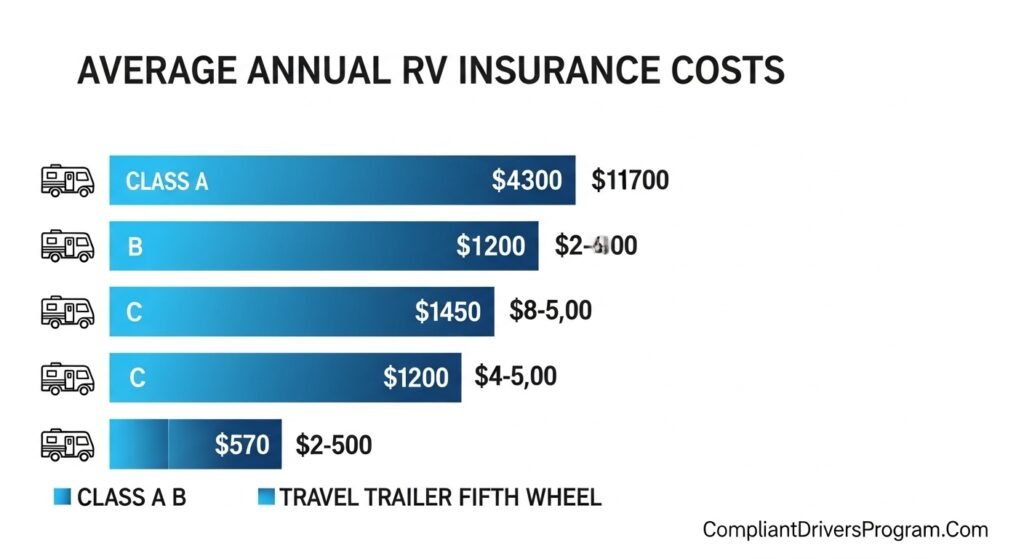
Across recent 2025–2026 guides, the average RV insurance cost sits roughly in these ranges, depending on usage, location, and RV type:
| RV Type | Average Annual Cost | Average Monthly Cost | Best For |
|---|---|---|---|
| Class A Motorhome | $1,200 – $2,800 | $100 – $235 | Full-time or luxury travel |
| Class B Camper Van | $600 – $1,400 | $50 – $120 | Weekend trips and couples |
| Class C Motorhome | $800 – $1,800 | $65 – $150 | Families, road trips |
| Travel Trailer | $300 – $900 | $25 – $75 | Budget-friendly campers |
| Fifth Wheel | $450 – $1,200 | $40 – $100 | Long trips, more space |
These numbers reflect typical ranges in 2025–2026 but will still vary by state and your personal profile.
How Much Is RV Trailer Insurance?
If you’re focused on towables, how much is RV trailer insurance is usually lower than motorhomes. RV trailer insurance cost for travel trailers often runs:
- Around $300–$900 per year for standard units.
- Closer to $400–$1,200 per year for large fifth wheels.
Because your tow vehicle handles the liability while driving, most of this cost goes toward protecting the trailer itself, your belongings, and campsites while parked.
Pro tip: If you own other toys like a boat or ATV, you can sometimes bundle them with your RV and auto policies. You can read more about similar coverage in this Boat Insurance guide and ATV Insurance.
Key Factors That Change Your RV Insurance Cost
To lower your RV insurance cost per month, you first need to know what moves the price. Here are the big levers.
1. How You Use the RV
- Occasional weekend use lowers risk and usually lowers cost.
- Seasonal use (summer only) may qualify you for storage discounts.
- Full-time living raises cost because your RV acts like your main home and car.
2. Where You Live and Travel
States with more storms, theft, or traffic claims tend to have higher cost of RV insurance. For example, popular states like Texas and Arizona often see higher average premiums but also more competition, which can help when you shop around.
If you’re comparing RV insurance Arizona rates, always ask how they handle hail, monsoon rains, and dust storm-related damage.
3. Your RV’s Value and Features
- New, high-end rigs cost more to repair or replace.
- Slide-outs, solar systems, and custom interiors raise the value.
- Safety features and security devices can help give discounts.
If you drive a classic or collector-style motorhome, some insurers treat it more like a show vehicle. In that case, it’s worth learning how specialty Classic Car Insurance works, since the idea of agreed value and limited usage is similar.
Comparison: RV Insurance vs Other Vehicle Coverage
Most people understand car insurance better than RV coverage. This quick table helps visitors stay and compare clearly.
| Option | Cost (Annual) | Time Needed to Get Policy | Effectiveness | Best For |
|---|---|---|---|---|
| RV insurance | $300 – $2,800 | 20–60 minutes | High for travel and camping risks | RV owners, full or part-time |
| Standard auto insurance | $500 – $1,800 | 15–30 minutes | Medium; doesn’t cover living space | Daily drivers, not RVs |
| Full Coverage Car Insurance | $900 – $2,000 | 20–40 minutes | High for cars, low for RV use | People without RVs |
| Golf Cart Insurance | $100 – $600 | 15–30 minutes | High for small local use | Campgrounds, gated communities |
You can read more about how regular car coverage works in this Full Coverage Car Insurance guide and how liability fits into the bigger picture in this Liability Insurance Car article.
How to Get an RV Insurance Quote Step by Step
Most people don’t know what to bring when they request a quote, so they feel stuck. Here’s a simple, action-based process.
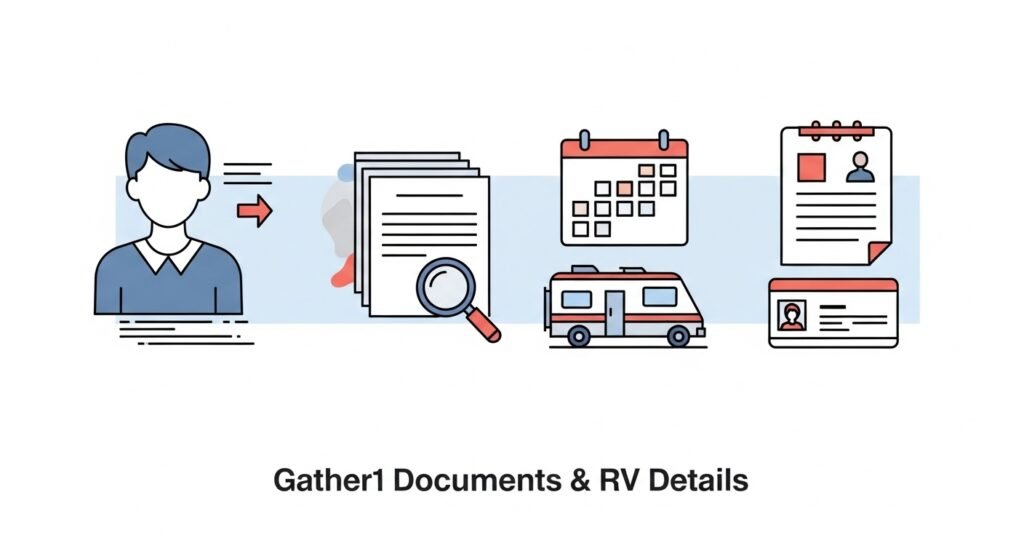
Step 1: Gather Your RV and Personal Details
You’ll need:
- Year, make, and model of your RV.
- Vehicle Identification Number (VIN).
- Current value (purchase price and any big upgrades).
- How often you use it and where you store it.
Step 2: Use the RV Insurance Calculator First
Before you call or go to an insurer’s site, use your RV Insurance Calculator to:
- Enter basic details (RV type, state like Texas or Arizona, how many months per year you travel).
- See a quick estimate of your insurance on RV cost.
- Adjust coverage levels to see how deductibles and options change your RV insurance cost.
This keeps users engaged, helps them understand ranges, and prepares them for real quotes.
Step 3: Compare Real Quotes from Multiple Insurers
Once you have an idea from the calculator, visit a few major brands:
- Progressive and similar big names.
- RV-focused providers like Good Sam and National General.
- Regional companies that know your state’s risks.
Recent comparison data for 2026 shows that shopping at least three providers can save 15–25% on RV insurance costs over sticking with the first quote you see.
Pro tip: While comparing, look at more than price. Match coverage, deductibles, and extras like roadside help so you’re comparing apples to apples.
Discounts and Ways to Lower Your RV Insurance Cost
Most people don’t know how many discounts they actually qualify for. That’s a big reason they overpay.
Popular Discounts in 2026
- Multi-policy: Bundle RV with auto, home, or even other toys. Check out Bundle Discount Auto Insurance for ideas.
- Multi-vehicle: If you insure multiple cars and RVs, a Multi Car Discount may apply.
- Safe driver: Clean record over three to five years often reduces the cost of RV insurance.
- Storage or lay-up: If your RV is stored in the off-season, many companies lower your rates.
- Security devices: Alarms, GPS trackers, or secure storage locations can help in some states.
Smart Coverage Choices
You don’t always need the highest limit everywhere. You can:
- Raise your deductibles once you have an emergency fund.
- Drop overlap coverages if your home or auto policies already cover certain items.
- Avoid tiny optional add-ons that don’t really fit how you travel.
If you’re also looking for cheaper daily driving protection, the Cheap Car Insurance Guide is a helpful place to see how people lower car costs while still staying legal and protected.
Advanced Coverages: Full-Time and Specialty Options
Most blogs stop at basic coverage, but 2026 RVers often need more.
Full-Time RV Insurance
If you live in your rig for six months or more each year, standard part-time coverage isn’t enough. Full-time coverage often adds:
- Higher personal liability limits, like a homeowners policy.
- Medical payments for guests hurt in or around your RV.
- Loss assessment if you’re part of an RV park or resort association.
- Expanded personal belongings coverage for everything you own on board.
That’s why full-time styles like full time RV insurance Good Sam can be appealing. They’re built with full-time use in mind, not just holidays.
Specialty and Toy Coverage
Many RVers also bring toys like golf carts or boats. If that’s you, it’s worth looking into:
- Golf Cart Insurance for campground or neighborhood driving.
- Boat Insurance if you tow a small boat behind your rig for lakes and rivers.
Bundling these with your main policies often earns more discounts and keeps your coverage clean and coordinated.
Common Mistakes That Increase RV Insurance Cost
Most people don’t know they’re doing these things until a claim gets denied or rated higher.
- Undervaluing upgrades: Solar, lithium batteries, and custom interiors can add thousands in value. If they’re not listed, they may not be fully covered.
- Not updating usage: Switching from weekend to full-time use without telling your insurer can cause claim problems.
- Ignoring small coverage gaps: Skipping vacation liability or personal property coverage saves a little now but can cost big later.
- Forgetting to review yearly: RV values, travel habits, and state rules change over time.
Reviewing your policy once a year, just like you would with Best Car Insurance Companies, helps catch these issues early.
FAQ: RV Insurance in 2026
A: For most RVs, RV insurance cost per month ranges from about $40 to $235, depending on type, location, and coverage level.
A: Typical policies cover liability, collision, comprehensive, personal belongings, and some campsite liability, with optional extras like roadside help and emergency expense.
A: Sometimes. Sudden damage from a covered event might be included, but slow leaks and poor maintenance are often excluded. Ask your insurer directly.
A: RV trailer insurance cost is usually lower, often in the $25–$75 monthly range for travel trailers and a bit more for fifth wheels.
A: Plans can include full-time liability, personal property, roadside help, and options like total loss replacement and emergency expense coverage.
A: Use an RV Insurance Calculator first to see estimates, then compare at least three real quotes from major insurers and RV specialists for exact pricing.
A: Motorhomes usually need at least liability if they’re registered. For parked trailers, coverage isn’t always required, but insurance still protects you from theft, fire, and storm damage.

Final Thoughts: Keep Your Trips Fun, Not Stressful
Here’s what you should remember:
- RV insurance protects your rolling home, your stuff, and your savings from big surprise bills.
- Real average RV insurance cost in 2026 can range widely, but tools like an RV Insurance Calculator help you see your own estimate fast.
- Smart choices like bundling, safe driving, and the right coverage type can cut costs without leaving you exposed.
- Whether you travel on weekends, in summer only, or full-time, there’s a policy that fits how you actually live and camp.
Your next smart move? Open your RV Insurance Calculator, plug in your RV type and state, and see what your personal cost of RV insurance looks like before you talk to any agent. That one step alone can keep visitors like you on the right track and make every future trip less stressful and more fun.
This article is for information only. Please consult a licensed insurance or financial professional before making coverage decisions.







![DOT Drug Test: What You Must Know in 2026 [Full Guide]](https://compliantdriversprogram.com/wp-content/uploads/2026/03/DOT-Drug-Test-150x150.jpeg)



Leave a Reply