
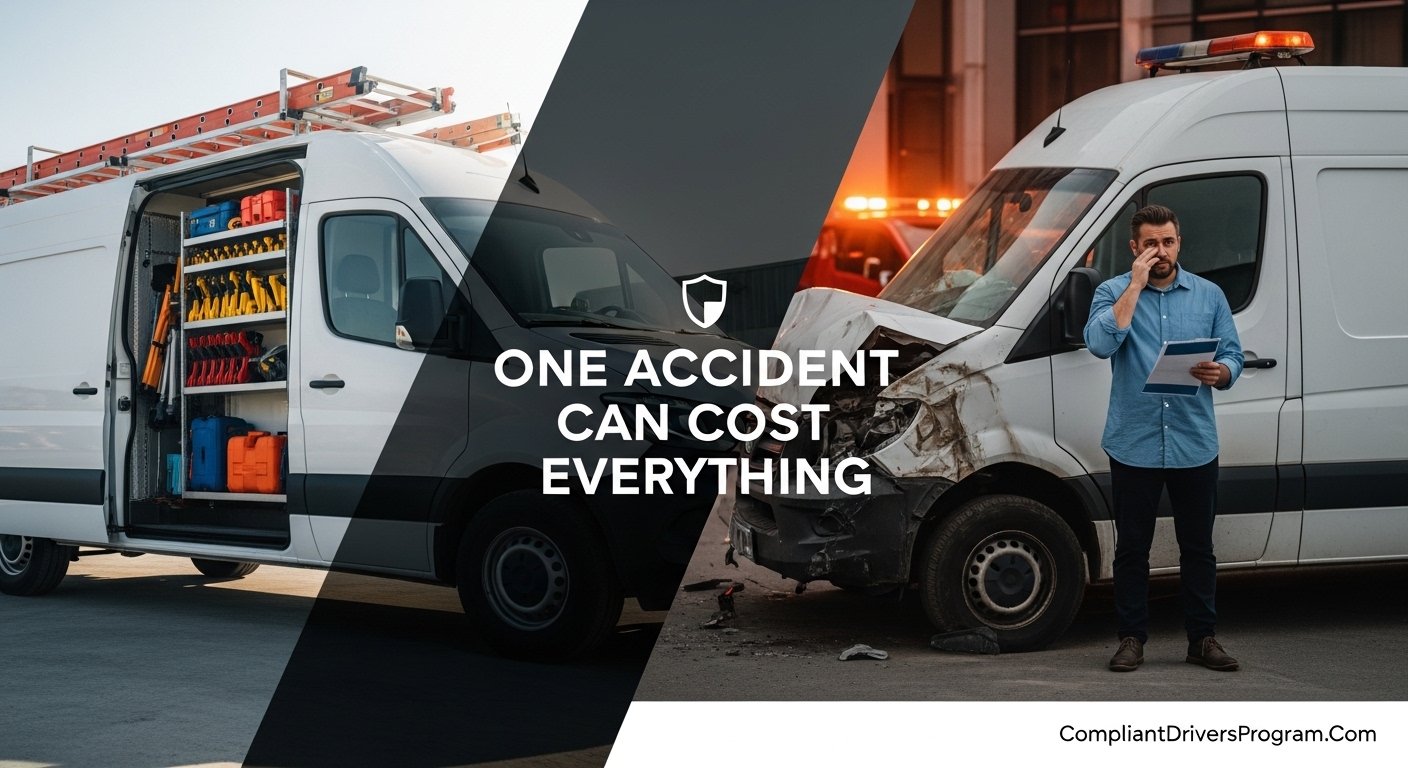
Here’s the thing: if your van helps you make money, you’re running a rolling business, not just a ride. One accident with the wrong policy can wipe out months of profit and cause major stress for you and your family in 2026.
Many owners think their personal policy is enough until a claim gets denied because the van was used for business use. That’s when they learn the hard difference between personal cover and van insurance business coverage. You don’t want to learn that lesson after a crash.
This expanded 2026 guide walks you through commercial van insurance, real cost ranges, common mistakes, and smart ways to save. You’ll see how to protect a sprinter van, transit van, or cargo van, where to place your Van Insurance Calculator tool for more leads, and how to keep visitors on your site longer with helpful, clear content.
What Is Van Insurance for Business Use in 2026?
Simple definition you can use
Here’s the thing: van insurance business coverage is just auto insurance built for work, not weekends. It protects vans used mainly to make money, like hauling tools, moving cargo, or running local deliveries.
Commercial van insurance usually includes:
- Liability for injuries and property damage you cause
- Collision to fix your van after a crash
- Comprehensive insurance type cover for theft, storms, vandalism, and fire
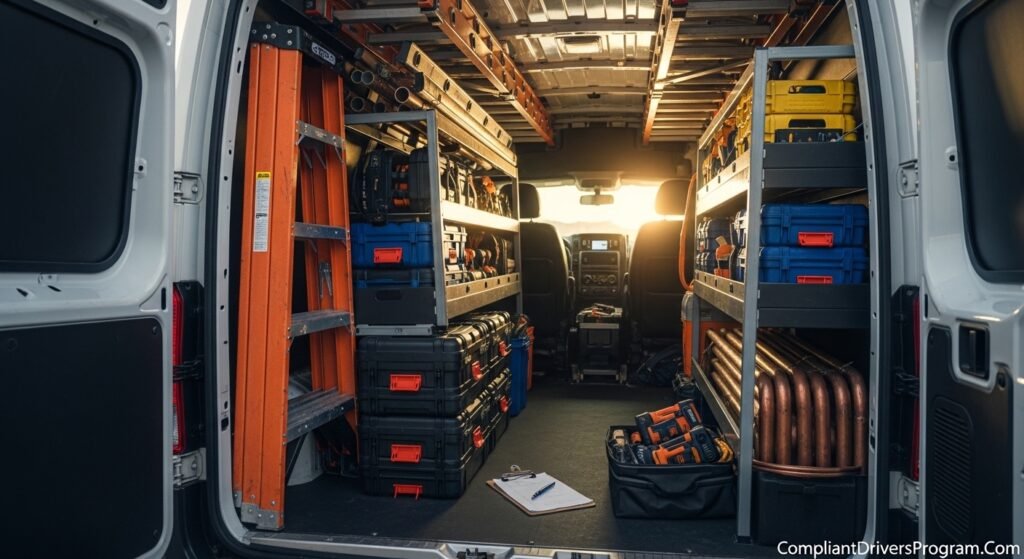
- Options for cargo van insurance and tools in the back
If you only drive to the grocery store or school, a personal policy might be fine. But once you carry tools, materials, or paid cargo to job sites, you’re in business territory. That’s when you want readers to click to your detailed page like Van Insurance for Business for deeper, US‑focused info.
Why personal auto isn’t enough for work vans
Quick tip: most personal policies clearly exclude regular business use. That means:
- Regular client visits in a work van can be a problem
- Paid delivery van work usually isn’t covered
- Carrying heavy tools every day can count as commercial use
If an adjuster learns your van is used for paid work, they can legally refuse a claim under a personal policy. That’s why guides on Commercial Vehicle Insurance are so useful when you first set up your coverage.
Want to see how much van insurance for small business might cost you? Use the calculator tool below for a quick estimate based on your van and mileage.
Van Insurance Calculator 2026
Your Estimated Annual Premium
| Base Premium | $0 |
| Van Type Adjustment | $0 |
| Business Type Factor | $0 |
| Coverage Level | $0 |
| Driver Profile | $0 |
| Location Factor | $0 |
| Additional Coverage | $0 |
| Discounts Applied | -$0 |
| Total Annual Premium | $0 |
Types of Business Van Use in the US (2026 View)
Main usage categories insurers look at
Most people don’t know this, but in 2026 insurers care more about how you use your van than its color or wheels. Common categories include:
- Social and commute only: Trips to work and home, no paid use
- Business use (carriage of own goods): You’re a contractor carrying your own tools or materials
- Courier or delivery: You run a delivery van making many stops for paid cargo
- Mixed business and personal: You use the van for work and some family trips
Your category affects price and limits. For example, daily parcel delivery with tight time windows usually costs more than a plumber who drives to four jobs a day in a transit van.
Single van vs small fleet
Quick tip: even with just two or three vans, it might be cheaper to treat them like a small fleet. Fleet‑style policies can:
- Put all vans on one commercial van insurance schedule
- Make billing and renewals easier
- Sometimes lower cost per vehicle
If your business grows into more vans, you’ll want to explore Commercial Fleet Insurance to see when the shift from single‑van to fleet cover makes sense.
Special and niche van uses in 2026
In 2026, more owners turn sprinter van models into mobile workshops, tiny offices, or branded showrooms. If you do that, make sure:
- You list custom interiors like shelving, partitions, and lifts
- You insure wrap designs or paint if they’re expensive
- You ask how “stated value” or “agreed value” works for heavily upgraded vans
Many policies let you customize cargo van coverage for these builds, but only if you describe them clearly when you get a quote.
Core Coverages in Commercial Van Insurance (2026 Breakdown)
Liability coverage: the foundation
Here’s the thing: liability is the heart of commercial van insurance. It protects you when:
- You injure someone in a crash
- You damage another person’s car, fence, or building
- You face legal claims after a serious accident
Because business accidents can involve higher bills and more people, many US small businesses choose higher limits than they would with a personal policy.
If you’re crossing state lines or pulling heavier loads with box trucks, take time later to read Trucking Insurance Requirements. As your business grows, your required limits may also grow.
Collision and comprehensive: protecting your own van
Collision pays when your work van hits another vehicle or object. It helps fix or replace your cargo van, sprinter van, or transit van, even if you caused the crash.
Comprehensive insurance handles non‑crash problems like:
- Theft of the van
- Storm damage or falling branches
- Vandalism or broken glass
- Hitting an animal
These two coverages become more important as the value of your van and any custom gear goes up.
Cargo, tools, and equipment cover
Most people don’t know this, but cargo van insurance is not always the same as “cargo coverage.” The standard auto part often focuses on the van itself, not what’s inside.
If you carry:
- Expensive power tools
- Customer goods
- Fragile items like glass, custom cabinets, or electronics
You may need add‑ons like inland marine or separate cargo coverage. Guides for service companies, like tools‑in‑van resources and Delivery Driver Insurance, can help you understand these gaps before you have a loss.
Extra options becoming common in 2026
In 2026, more small businesses are adding:
- Downtime or loss‑of‑use cover, so you get cash or a rental while the van is in the shop
- Roadside assistance for lockouts, dead batteries, and tows
- Hired and non‑owned auto for times when staff use their own vehicles for company errands
These add‑ons cost extra but can save your week when a delivery van breaks down on a busy route.
Pro Tip: Make a clear list of what you must keep running to avoid losing income. Then match those needs with add‑ons like rental, roadside, or downtime coverage.
2026 Van Insurance Costs: What US Businesses Really Pay
Key factors that drive price
Here’s the thing: commercial van insurance cost in 2026 responds to risk, not guesswork. Common factors include:
- Type of van: small cargo van vs large sprinter van
- Business type: light contractor work vs all‑day courier routes
- Mileage and driving radius: local city routes vs long highway runs
- Driving records: tickets and accidents raise rates
- Where you park and operate: high‑theft or high‑traffic ZIP codes
These are similar to other commercial auto lines. You can see how they play out in practice by checking broader guides like Commercial Auto Insurance Cost.
How payment plans affect 2026 pricing
Most insurers in 2026 still offer:
- Monthly payments with small fees
- Quarterly options
- A discount if you pay the full year up front
Paying once per year can shave some money off your van insurance business premium. Just make sure it doesn’t hurt your cash flow during slow months.
Small business vs fleet cost differences
Quick tip: one van may feel expensive at first, but per‑van cost often drops as you scale into a small fleet. With fleets, insurers can:
- Spread risk across multiple vans
- Offer special fleet safety programs
- Give better per‑unit pricing
As you add box trucks or semis, reviewing pages like Box Truck Insurance and Semi Truck Insurance helps you see when it’s time to move from simple cargo van coverage to a broader commercial program.
How to Get the Best Van Insurance for Business in 2026 (Step‑by‑Step)
Prepare your information
Most people don’t know this, but good preparation can unlock better quote options and fewer delays. Before you apply, collect:
- VIN, year, make, and model of your sprinter van, transit van, or cargo van
- Current mileage and your best guess of yearly miles
- Full driver list with license numbers and years of experience
- Clear description of cargo and business use
If you want more general background on how business auto policies work for small firms, guides like commercial auto buyer resources and Commercial Vehicle Insurance are helpful starting points.
Decide your must‑have coverage
Here’s the thing: if you don’t know what you need, you’ll only chase the lowest price. That’s dangerous.
Make decisions on:
- Minimum liability limit you’re comfortable with
- Whether you want collision and comprehensive
- How you’ll protect tools and cargo
- Deductibles you can pay in cash without stress
For some van owners, pages like Comprehensive Insurance can help explain how full coverage works on personal cars and then be compared to similar commercial options.
Shop around and compare real quotes
Get quotes from:
- Independent agents who can check multiple carriers
- Direct insurers with online quote forms
- Digital platforms that focus on small business van insurance business policies
Always compare coverage, not just price. Make sure each quote has similar liability limits, deductibles, and extras.
Pro Tip: Use a simple table or sheet where each column is a quote and each row is a feature, like liability limit, collision, comprehensive, cargo van insurance, and roadside. This keeps your choice clear.
Review exclusions and fine print
Quick tip: even strong policies have limits. Pay close attention if:
- Certain cargo types are excluded
- There are rules about who can drive the van
- There are mileage caps or territory limits
Also check whether your policy handles temporary rented vans or staff using personal cars for business. If not, you might need extra hired and non‑owned coverage.
Final check before you buy
Before you bind coverage:
- Confirm your business name is listed correctly
- Check that all vehicles and drivers are included
- Ask how to add new vans or drivers mid‑term
- Save your ID cards and certificate access info
Once that’s done, you’re ready to drive with peace of mind and focus on work instead of worry.
Different Van Types and the Coverage They Need
Cargo van
Here’s the thing: a cargo van is a workhorse for many US small businesses. Think plumbers, electricians, cleaners, and mobile repair teams.
For a cargo van used for business use, you’ll likely want:
- Higher liability limits due to job‑site exposure
- Collision and comprehensive to protect the van itself
- Cargo van insurance for tools and stock
- Possibly rental or downtime cover if the van being off the road hurts income
If your cargo van is part of a bigger trucking setup, tie your research into Owner Operator Truck Insurance so your whole operation lines up correctly.
Sprinter van
Sprinter van models are popular for last‑mile delivery, long‑distance routes, and high‑value builds. Because they often carry more or go farther, you may consider:
- Even higher liability limits
- Wider radius of operation in your policy
- Custom equipment and signage listed with values
- Strong cargo coverage for high‑value items
These vans can also blur the line between RV and work van. If you partially convert one, make sure your agent understands exactly how you use it so your commercial van insurance still fits.
Transit van and similar mid‑size vans
A transit van sits in the middle: big enough for tools and equipment, but still easy to park in city areas. Great for contractor work, catering, and mobile services.
Common choices include:
- Well‑balanced liability and physical damage coverage
- Roadside assistance for long days in traffic
- Rental reimbursement so a breakdown doesn’t cancel jobs
You can cross‑link to broader commercial guides like Commercial Vehicle Insurance here to help users compare van coverage to other business vehicles.
Comparison Table: Common Van Insurance Setups in 2026
| Option | Cost | Time Needed | Effectiveness | Best For |
|---|---|---|---|---|
| Single cargo van insurance policy | Higher than personal auto, but cheaper than large truck policies, exact 2026 price depends on van type, state, and driving record | 30–60 minutes to request a quote, review coverage, and start a policy online or with an agent | High when you choose strong liability, collision, comprehensive, and needed cargo cover | Van insurance for small business owners running one work van or delivery van in a local area |
| Multi‑van or small fleet policy | Higher total cost, but often lower cost per van as you add more units to your van insurance business setup | A few hours to gather driver info, telematics options, and sign fleet agreements | Very high for growing contractors and delivery teams who need consistent protection across all vans | Service companies, couriers, and contractors running several sprinter van or transit van vehicles across one or more states |
Special Situations: Delivery, Rideshare, and Mixed Use in 2026

Delivery van and courier work
Here’s the thing: using a van for parcel or food delivery moves you into higher‑risk territory. You usually need a specific kind of commercial van insurance for courier work.
A basic personal policy almost never covers:
- Paid pizza or grocery delivery
- Third‑party parcel routes
- App‑based delivery with many daily stops
Direct readers who deliver packages or food to pages like Delivery Driver Insurance so they can see how this risk is treated across different vehicle types.
Rideshare and mixed passenger use
If you carry people instead of packages, your coverage might overlap with rideshare rules. Some owners use a van to:
- Drive for rideshare apps
- Carry small tour groups
- Mix passenger work and cargo hauling
In that case, you may need a blend of personal, rideshare, and commercial van insurance. A helpful deep dive is Uber and Lyft Insurance, which explains typical coverage gaps when the app is on or off.
Personal plus business use with the same van
Many US owners in 2026 drive the same cargo van:
- To job sites during the day
- To sports events or stores on weekends
This kind of mixed use can be covered, but you must explain it clearly during the quote process. Hiding business use to save money can backfire hard during a claim.
Pro Tip: Tell your agent your “worst‑case” scenario: the farthest you drive, heaviest cargo, and busiest days. If your policy fits that, it will handle your normal days too.
How to Lower Your Van Insurance Business Cost in 2026
Improve safety and driver behavior
Most people don’t know this, but insurers love consistent, boring driving habits. To cut risk and cost, you can:
- Set no‑phone rules while driving
- Use backup cameras and sensors where possible
- Train staff on turning and backing in tight spaces
- Track minor incidents and fix patterns early
Safer driving also helps with your personal plans, like any liability insurance car coverage you hold for family vehicles, because a clean record supports all policies.
Use telematics and tracking
Many 2026 policies give discounts for telematics devices that:
- Track speed, braking, and cornering
- Measure miles driven and times of day
- Help locate vans in case of theft
If your drivers show safe habits, some insurers lower your commercial van insurance renewal rates. Telematics also helps you manage routes and fuel, saving money in several ways.
Bundle and structure your policies
Quick tip: the more scattered your coverage is, the more you may pay overall. You can often save by bundling:
- Commercial van insurance
- General liability
- Property or tools coverage
- Workers’ comp if you have employees
Bundling is similar to how people mix comprehensive insurance and liability insurance car cover on their personal policies, but at a business level.
Choose smart deductibles
Set deductibles at a level your business can handle in cash. Too low, and you overpay each month. Too high, and a small claim may hurt your budget.
Think about:
- Your emergency savings
- How often you’ve had claims in the past
- Whether your Van Insurance Calculator tool shows big savings when you raise deductibles
Adjust once per year if your finances change or your vans age.
Legal and Compliance Basics for US Van Owners in 2026

State minimums vs real‑world business needs
Every US state sets minimum liability limits, but those are usually built for personal cars, not busy work van operations. Business contracts often require higher limits, especially for:
- Government jobs
- Large commercial clients
- Work at malls, hospitals, or big box stores
You can keep a basic explanation of car liability handy through a page like Liability Insurance Car and then show how business vans need stronger protection.
When you need DOT or trucking‑level rules
Here’s the thing: bigger or heavier vans can turn into small trucks in the eyes of regulators. If you:
- Cross state lines for freight
- Carry heavier loads or hazardous cargo
- Pull trailers often
You may need a DOT number, log rules, and higher insurance limits. That’s where resources like DOT Number and Trucking Insurance Requirements become important as your operation grows.
Certificates of insurance and contract work
Many 2026 contracts demand proof of van insurance business coverage before you start work. Make sure you know:
- How to get certificates quickly
- How to name clients as additional insured when needed
- How to show your commercial van insurance meets required limits
Fast, clean paperwork keeps your jobs moving and your cash flow steady.
FAQ: Van Insurance for Business in 2026
A: Van insurance for small business is commercial van insurance built for one or two vans used mainly to earn income, like cargo or delivery van work.
A: Commercial van insurance cost in 2026 depends on van type, state, business use, mileage, drivers, and limits, so you’ll need a quote or calculator estimate to see your range.
A: Basic cargo van insurance often focuses on the van itself, so you usually add special cargo or tools coverage if you carry valuable gear daily.
A: The best van insurance for business gives you strong liability, collision, comprehensive, and cargo protection that matches your real‑life work and contract needs.
A: Yes, if your contractor van regularly carries tools or materials for business use, you typically need commercial van insurance instead of personal auto.
A: Usually no. Paid delivery van or courier work almost always needs commercial van insurance, or claims can be denied after a crash.
Conclusion
- Van insurance business coverage in 2026 protects your sprinter van, transit van, or cargo van when you use it to earn money.
- The right commercial van insurance depends on your business use, from contractor work to full‑time delivery van routes and small fleets.
- You can lower commercial van insurance cost with safer driving, smart deductibles, telematics, and policy bundles without weakening key protection.







![DOT Drug Test: What You Must Know in 2026 [Full Guide]](https://compliantdriversprogram.com/wp-content/uploads/2026/03/DOT-Drug-Test-150x150.jpeg)



Leave a Reply