
Winter Truck Driving: The Only Safety Guide You’ll Ever Need for Ice Roads in 2026
Every winter, truck drivers face a brutal truth most people never think about. More than 24% of weather-related crashes happen on snowy, icy, or slushy roads each year (FHWA Road Weather Management Program). That number should grab your attention if you drive a rig for a living. Ice road trucking isn’t just a dramatic scene from TV shows. It’s real, it’s dangerous, and thousands of drivers face these conditions every single season.
This guide covers everything you need to survive and thrive during winter hauls. You’ll learn how to handle black ice, pick the right winter gear, boost your traction, and even find out how much does an ice road trucker make. Whether you’re a rookie or a veteran, these tips could save your life on the road.
What Makes Ice Road Trucking So Dangerous?
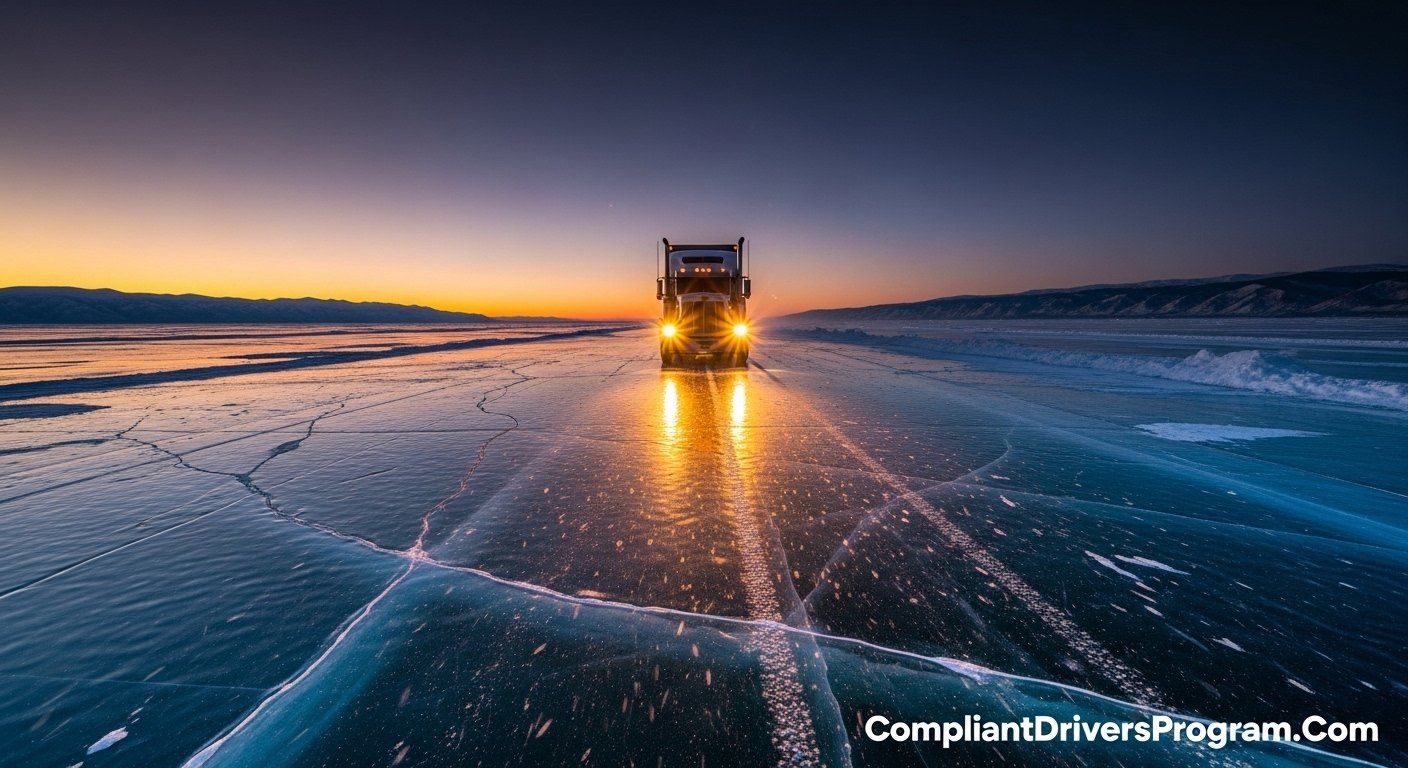
Most people picture ice roads from reality TV shows, but the real thing is far scarier. Ice road trucking means driving heavy rigs across frozen lakes, rivers, and remote highways in extreme cold weather. These routes exist mainly in Canada’s Northwest Territories and Alaska’s Dalton Highway. The ground beneath you is literally frozen water, and one wrong move can send 80,000 pounds through the ice.
The death rate for ice road truckers runs significantly higher than standard trucking jobs. According to the Bureau of Labor Statistics, transportation and material moving occupations consistently rank among the most dangerous in America. Freezing temperatures can drop below minus 40 degrees on some routes. Your diesel fuel can gel, your brakes can freeze, and your windshield can ice over in minutes.
Here’s what makes ice conditions especially tricky for truckers. You can’t always see the danger coming your way. Black ice forms a nearly invisible layer on road surfaces, and it catches even experienced drivers off guard. Your truck might feel perfectly stable one second and completely out of control the next. That’s why preparation matters more than anything else when winter hits.
Essential Winter Truck Driving Gear Checklist
You wouldn’t climb a mountain without the right equipment, right? The same logic applies to winter trucking. Your winter truck driving gear checklist should cover both personal survival items and truck-specific equipment. Skipping even one item could put you in a life-threatening situation during a breakdown.
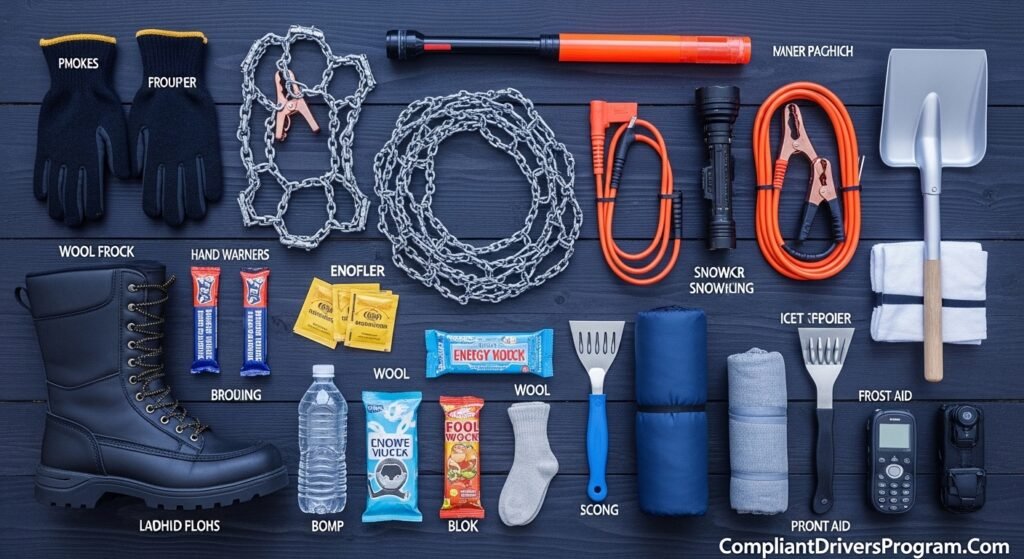
Start with personal gear first. Pack insulated boots rated for freezing temperatures below zero degrees. Carry thermal underwear, wool socks, heavy gloves, and a wind-resistant outer layer. Throw in hand warmers, a sleeping bag rated for extreme cold weather, and enough food and water for at least 72 hours. Many drivers forget that a simple breakdown in remote areas can turn deadly without proper clothing.
Now let’s talk about truck equipment. Your winter gear list should include tire chains, extra coolant rated for winter use, a block heater, and a quality ice scraper. Keep jumper cables, a flashlight with extra batteries, and emergency flares in your cab at all times. A small shovel can dig you out of snow drifts faster than waiting hours for roadside help.
Pro Tip: Store your chains inside the cab, not in an outside compartment. When temperatures drop below zero, metal compartment latches can freeze shut. You don’t want to waste 30 minutes fighting a frozen latch when you need chains right now.
Make sure you also complete a thorough Pre Trip Inspection Checklist before every winter haul. Check your antifreeze levels, battery condition, and heater functionality. Test your defroster and make sure all lights work perfectly since winter days are short and dark.
How to Handle Black Ice and Dangerous Ice Conditions
Black ice kills more truckers than almost any other winter road hazard. It forms when moisture freezes into a thin, transparent sheet on the pavement. You can’t see it coming, and by the time you feel it, your rig is already sliding. Bridges, overpasses, and shaded road sections freeze first, so treat those spots with extra caution every time.
When you hit black ice, your instincts will scream at you to slam the brakes. Don’t do it. Slamming your brakes on ice conditions locks your wheels and sends you into an uncontrollable skid. Instead, ease off the accelerator gently and keep your steering wheel steady. Let your truck slow down naturally without any sudden inputs.
Traction management is your best friend during icy conditions. Running the right tires makes a huge difference in how your truck grips the road. Many experienced drivers switch to winter-rated drive tires with deeper tread patterns before the season starts. Combined with properly installed chains, you’ll get much better grip on packed snow and ice.
Most people don’t know this: your following distance should triple during winter weather. On dry roads, you might keep a 4-second gap behind the vehicle ahead. On icy roads, stretch that to 12 seconds or more. Learn more about proper spacing in this guide on Blind Spot & Following Distance Safety. That extra space gives you room to react without panic braking.
Winter Truck Driving: Complete Safety Checklist 2026
Truck Driving in Snow Tips That Actually Work
Everyone talks about slowing down in winter, but few drivers know the specific techniques that prevent accidents. These truck driving in snow tips come from decades of collective experience on the worst roads in North America. Follow them every time you face winter conditions, and you’ll dramatically cut your risk.
Tip one: Always drive in the tracks left by vehicles ahead of you. Those tire tracks compress the snow and create slightly better traction than untouched snow. Avoid changing lanes unless absolutely necessary because fresh snow between lanes can grab your tires and pull your trailer sideways. Staying in your lane keeps your rig stable and predictable.
Tip two: Use engine braking instead of your service brakes whenever possible. Jake brakes slow your truck without heating up your brake drums or risking wheel lockup on slippery surfaces. However, some drivers debate whether jake brakes help or hurt on ice. The general rule is to use them lightly on snow-covered roads and avoid them entirely on pure black ice.
Tip three: Watch the spray coming off other vehicles’ tires. If you see water spray, the road is wet but not frozen. If there’s no spray and the road looks dark or shiny, that’s likely black ice forming. This simple observation trick has saved countless drivers from nasty surprises. Pay attention to temperature readouts on your dash too, because road surfaces freeze around 32 degrees or below.
Your driving skills in harsh weather directly connect to your overall defensive approach. Check out these Truck Driver Safety Tips for a broader look at staying safe year-round. Good habits during summer make great habits during winter.
Ice Road Trucking Safety Tips for Remote Routes
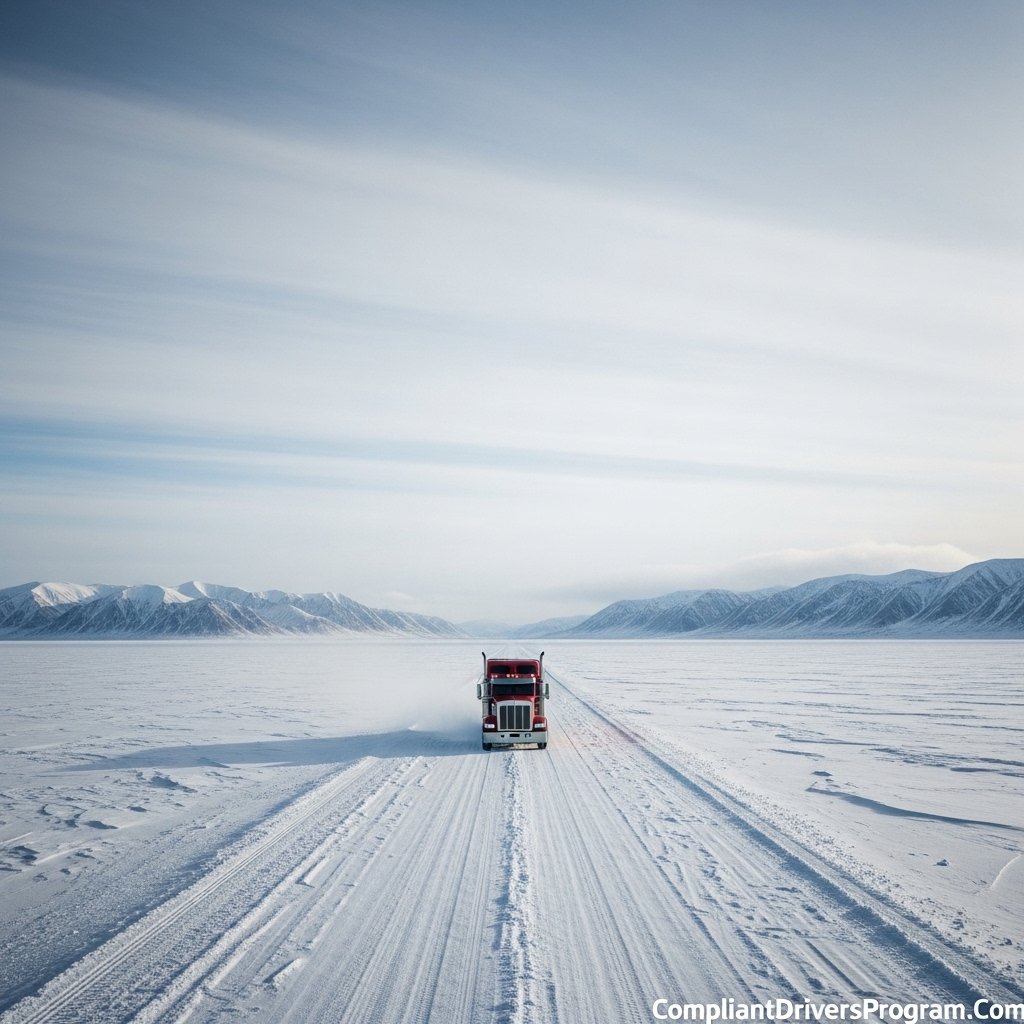
Driving remote ice roads takes a special breed of trucker. These routes often have no cell service, no gas stations, and no emergency services nearby. If something goes wrong 200 miles from the nearest town, you’re on your own until help arrives. That could mean hours or even days in extreme cases.
Your ice road trucking safety tips start with communication. Always tell your dispatcher exactly which route you’re taking and your estimated arrival time. Carry a satellite phone or a personal locator beacon that works without cell towers. Some drivers invest in satellite communicators that let them send GPS coordinates to rescue teams with one button press.
Speed limits on ice roads exist for a very specific reason. Driving too fast creates waves under the ice surface that can crack and break through. Most ice roads post limits between 15 and 25 miles per hour, and those numbers aren’t suggestions. Breaking the speed limit on a frozen lake doesn’t just risk a ticket. It risks your life and the lives of drivers behind you.
Convoys help on remote routes, but keep proper spacing between trucks. Too many heavy rigs bunched together put excessive weight on ice that might only support one truck at a time. Follow the posted weight limits and spacing requirements exactly as marked. These roads have weight monitors, and overloaded trucks get turned away or fined heavily.
For tips on handling other extreme weather situations, read this guide on Rain & Fog Driving. Many of the same visibility principles apply during heavy snowfall and blowing snow conditions.
How Much Does an Ice Road Trucker Make?
Let’s talk money, because that’s why many drivers consider these dangerous runs. How much does an ice road trucker make compared to a regular OTR driver? The answer might surprise you. Ice road truckers can earn between $20,000 and $80,000 for a single season that lasts roughly 2 to 3 months.
Regular drivers salary for standard OTR trucking averages around $50,000 to $65,000 per year (2024 industry averages). Ice road trucking pays a premium because the work is seasonal, extremely dangerous, and physically demanding. The most experienced drivers on the toughest routes pull in the highest salary numbers. Some veterans report earning over $100,000 when they combine ice road work with regular hauls.
The jobs pay well, but the costs add up too. You’ll spend money on specialized winter gear, truck modifications for extreme cold weather, and higher insurance premiums. Many ice road jobs require you to supply your own truck, which means maintenance costs come straight out of your pocket. Factor in those expenses before you calculate your true take-home pay.
If you’re interested in exploring different trucking career paths, check out OTR Trucking Jobs for options that might fit your lifestyle. Some drivers prefer steady year-round work over the high-risk, high-reward ice road season.
Famous Ice Road Truckers: What Happened to the TV Stars?
Reality television brought ice road trucking into living rooms across America. Shows like Ice Road Truckers on the History Channel ran for 11 seasons and made household names out of several drivers. Fans grew attached to these personalities and often search for updates about their favorites.
One of the most common searches people make is about what happened to ice road trucker Darrell Ward. Darrell Ward tragically dies in a plane crash in August 2016 near Rock Creek, Montana. He was 52 years old and was flying to film a pilot for a new show at the time. His death shook the trucking community and reminded everyone how fragile life can be.
Another popular search involves lisa kelly ice road trucker obituary and obituary lisa kelly. As of early 2025, Lisa Kelly is alive and well. She stepped away from the spotlight after the show ended, but she hasn’t passed away despite recurring internet rumors. These false death reports circulate online regularly, so always verify information through reliable news sources before believing what you read.
The show highlighted the very real death rate associated with this profession. Several drivers who appeared on the show faced serious accidents and health challenges over the years. Their stories serve as powerful reminders that ice road trucking carries genuine, life-threatening risks every single day on the job.
Safety Meeting Topics for Truck Drivers During Winter
Fleet managers, this section is for you. Running effective safety meeting topics for truck drivers during winter months can prevent accidents and save lives. Your drivers need targeted training that addresses the specific hazards they’ll face during cold weather season. Generic safety talks won’t cut it when temperatures drop below zero.
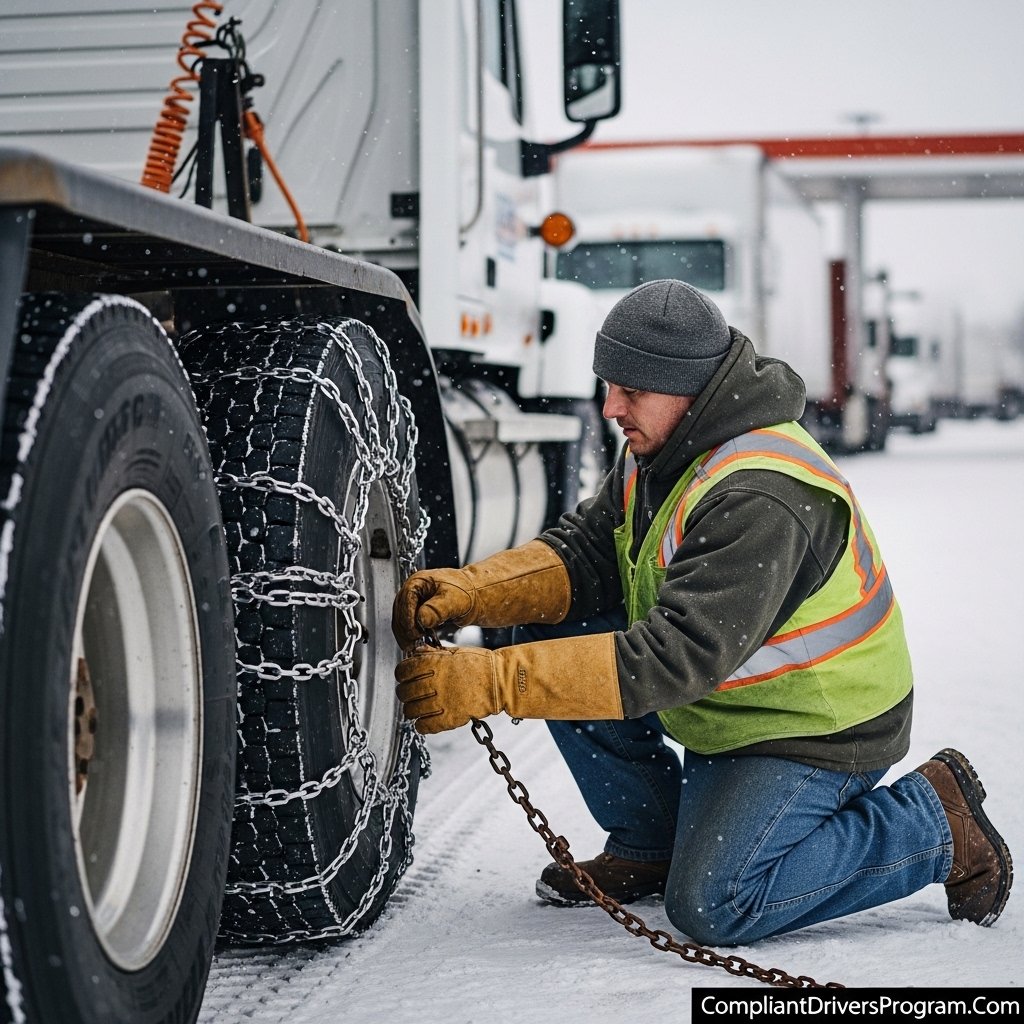
Start your winter meetings with a hands-on chains installation workshop. Many drivers know they should carry chains but can’t install them properly under pressure. Practice in the yard before the first storm hits. Time each driver and make it a friendly competition to build confidence and speed.
Build a driver safety incentive program ideas package that rewards safe winter driving records. Offer bonuses for zero-incident months during the winter season. Some fleets give gift cards, extra paid time off, or cash bonuses to drivers who complete the winter without any weather-related incidents. These programs work because they give drivers a tangible reason to stay careful.
Consider implementing behavior based safety trucking programs that track specific winter driving behaviors. Monitor hard braking events, speeding in winter weather zones, and adherence to chain-up requirements. Share the data with your drivers in a coaching format rather than a punitive one. Drivers respond better to coaching conversations than to punishment-based systems.
You should also incorporate lessons from related hazardous conditions into your meetings. Topics like High Wind Driving for Trucks and Mountain Driving for Trucks overlap with winter safety in many practical ways. Cross-training your drivers on multiple weather hazards builds a stronger safety culture overall.
Winter Trucking Survival Scenarios: What to Do When Things Go Wrong
Even the most prepared driver can end up stranded. Your engine might fail. A road might close suddenly behind you. A whiteout blizzard might reduce visibility to zero feet. Knowing exactly what to do during these scenarios separates survivors from statistics.
If your truck breaks down in extreme freezing temperatures, stay with your vehicle. Your cab provides shelter from wind and cold that you won’t find wandering on foot. Run your engine periodically for heat, but crack a window slightly to prevent carbon monoxide buildup. Keep your exhaust pipe clear of snow to avoid deadly gas flowing back into the cab.
Whiteout conditions demand immediate action. Pull completely off the road if you can find the shoulder safely. Turn on your hazard lights and wait for conditions to improve. Never try to push through a whiteout, because pileups happen when drivers can’t see the stopped trucks ahead of them. Patience saves lives in zero-visibility situations.
If you slide off the road into a ditch or snowbank, assess the situation before trying to move. Spinning your tires only digs you deeper into trouble. Use your shovel to clear snow from around the drive tires, lay down sand or kitty litter for traction, and try to rock the truck gently. Call for help early rather than wasting hours and fuel trying to free yourself.
Your knowledge of Defensive Driving for Truckers plays a huge role in avoiding these scenarios entirely. Prevention always beats rescue when you’re 100 miles from the nearest tow truck.
Ice Road Trucking Comparison: Regular OTR vs. Ice Road Hauls
| Factor | Regular OTR Trucking | Ice Road Trucking |
|---|---|---|
| Annual Salary | $50,000 – $65,000 | $20,000 – $80,000 (seasonal) |
| Season Length | Year-round | 2 – 3 months |
| Risk Level | Moderate | Very High |
| Required Gear | Standard CDL equipment | Specialized winter and survival gear |
| Cell Service | Usually available | Often unavailable |
| Speed Limits | 55 – 70 mph | 15 – 25 mph on ice roads |
| Best For | Steady income seekers | High-risk, high-reward drivers |
Frequently Asked Questions
A: Most ice road truckers earn $2,000 to $5,000 per trip depending on distance, cargo, and route difficulty. Top earners make more on the most dangerous runs.
A: Darrell Ward passed away in a plane crash in August 2016 near Rock Creek, Montana. He was traveling to film a new TV show pilot at the time.
A: Yes, Lisa Kelly is alive as of early 2025. The lisa kelly ice road trucker obituary searches online are based on false internet rumors, not facts.
A: Focus on chain installation practice, black ice recognition, emergency survival procedures, and following distance adjustments for icy roads.
A: These programs track specific driving behaviors like hard braking and speeding in weather zones. Coaching drivers on data-backed feedback reduces risky habits over time.
A: Remote ice road runs in Alaska and northern Canada offer the highest seasonal pay. Hazmat loads on winter routes also pay premium salary rates.
A: Use winter-rated tires, install chains on drive axles, reduce speed dramatically, and avoid sudden steering or braking inputs to keep maximum traction on ice.
Your Next Step Toward Safer Winter Driving
Winter trucking doesn’t have to be a death sentence. Smart preparation makes the difference between a routine haul and a disaster. Here’s what you should take away from this guide:
- Build your winter truck driving gear checklist now, before the first storm hits your route
- Practice chains installation until you can do it in the dark with frozen fingers
- Triple your following distance on any road with ice conditions or snow
- Never push through zero-visibility whiteouts or ignore posted ice road speed limits
Pick one thing from this guide and do it today. Check your emergency kit, practice your chain skills, or sign up for a Defensive Driving Course that covers winter hazards. Your safety on winter roads starts with the choices you make right now.






![DOT Drug Test: What You Must Know in 2026 [Full Guide]](https://compliantdriversprogram.com/wp-content/uploads/2026/03/DOT-Drug-Test-150x150.jpeg)



Leave a Reply