
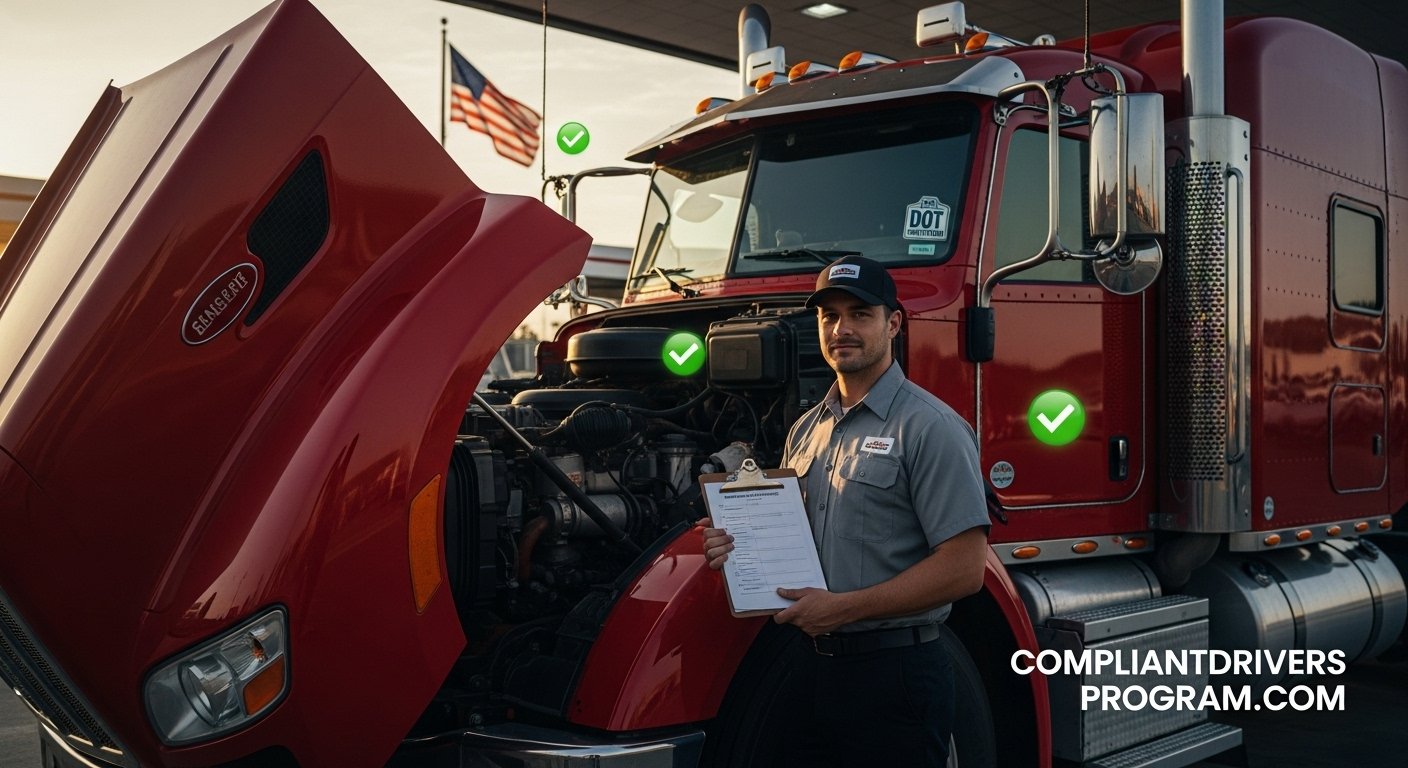
Ever had a DOT officer pull you over and ask for your vehicle inspection report? You fumble through papers, heart racing, hoping everything’s in order. One missing form can lead to big fines or downtime. Don’t worry, friend – you came to the right place.
You’ll learn what a vehicle inspection report really means for truck drivers like you. We’ll cover DOT truck inspection rules, daily DVIR requirements, and how to keep perfect inspection documentation. By the end, you’ll fill out these reports like a pro and dodge DOT Fines. Let’s dive in and make compliance easy.
What is a Vehicle Inspection Report?
A vehicle inspection report keeps your truck safe and legal. You check key parts daily and note any issues. DOT calls this the Driver’s Vehicle Inspection Report, or DVIR.
You do it before and after trips. It lists defects like bad brakes or worn tires. Think of it as your truck’s daily health check.
Skip it, and you risk Out of Service Violations. DOT inspectors look for these reports during stops.
Why Vehicle Inspection Reports Matter
Here’s the thing: safe trucks save lives. A vehicle inspection report spots problems early. You fix small issues before they cause crashes.
DOT tracks this in your safety score. Poor records hurt your CSA score and raise insurance costs. Good reports keep your business running smooth.
Most people don’t know this: fines start at $500 per missing report. Keep them, and you avoid headaches. Check out DOT Regulations for Truck for more rules.
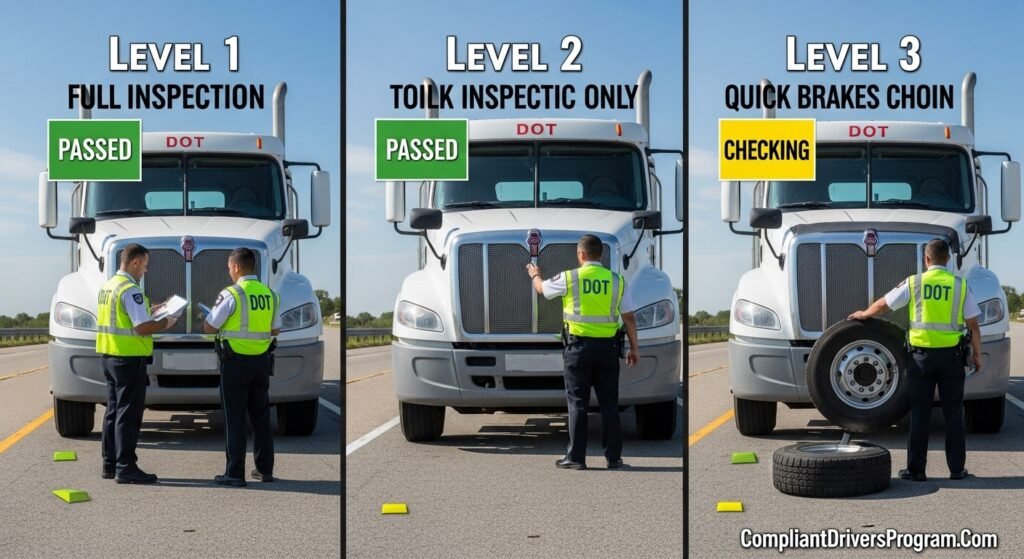
Types of DOT Inspections
You face different DOT truck inspections. Level 1 checks everything – driver and vehicle. Level 2 skips the driver but digs into your truck.
Drivers handle daily DVIRs. That’s your pre-trip and post-trip checks. Annual checks need a pro inspector.
Confused? Level 3 is fast – just brakes and tires. Know your type to prep right. This keeps you out of trouble.
DVIR Requirements Explained
DVIR requirements come from FMCSA rules. You inspect 20 key items like brakes, lights, and tires. Note defects that affect safety.
Sign the form each time. The next driver checks if you fixed issues. Keep reports for 14 months minimum.
Digital DVIRs work now, per 2015 rules. Use apps for easy record keeping. No more paper piles in your cab.
How to Fill Out a Vehicle Inspection Report
Quick tip: Grab a vehicle inspection report template to start. List your truck number and date first.
Walk around your truck. Check steering, suspension, and brakes. Mark “OK” or describe defects clearly.
Sign it, note repairs, and file it. Do this pre-trip and post-trip daily. You’ll breeze through roadside checks.
Step-by-Step Pre-Trip Inspection
Start your pre-trip at the front. Check headlights, signals, and windshield wipers. Test the horn – it must work loud and clear.
Move to the engine. Look for leaks and secure belts. Feel hoses for cracks.
Circle to tires and brakes. No bulges, good tread, no leaks. Pump brakes to feel pull.
Post-Trip Inspection Details
End your day with post-trip. Recheck lights after dark use. Note any new wear from the road.
Look under the truck for drips. Test parking brake on a hill. Write everything down fast.
Hand it to your fleet manager. They log defects for repair. See Post Trip Inspection & DVIR for checklists.
Annual Vehicle Inspection Report
Annual reports need a certified inspector. They check every system deeply. You get a sticker good for 12 months.
Cost runs $100-$200 per truck. Schedule before it expires. Miss it, and your truck sits idle.
Inspectors verify brakes, exhaust, and frame. They sign off with their cert number. Keep the report on file.
What to Check on Your Report Form
Your report form lists must-haves. Horn, parking brake, wheels, rims. Coupling devices for trailers.
Windshield wipers, mirrors, steering. Emergency gear like triangles. Brakes, lights, reflectors.
Any defect goes in the log. Don’t ignore small stuff. It builds your audit trail.
Keeping DOT Inspection Records
Record keeping saves your skin. Store DVIRs for 14 months. Use folders or digital tools.
Organize by truck and date. DOT audits want quick access. Paper or PDF both work.
Pro Tip: Scan dailies weekly. Backup online. You’ll thank yourself during reviews.
Pro Tip: Use fleet software for auto-reminders on annual vehicle inspection report deadlines. It cuts errors by 50%.
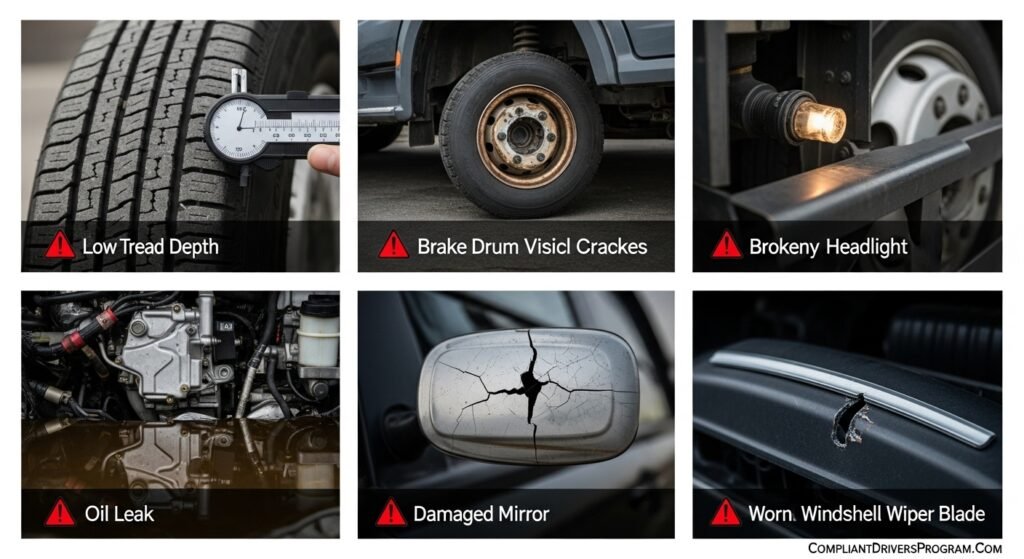
Common Defects and Fixes
Bad tires top the defect log. Less than 4/32 tread? Replace now. Costs $300 each but prevents blowouts.
Brake issues rank high too. Adjust slack or reline pads. Shops charge $500-$1,000 per axle.
Leaky seals? Tighten or replace. Fix fast to avoid oil trails. Track repairs for certification.
Repair Certification Process
After noting a defect, get repairs done. Mechanic signs the repair section. State what they fixed.
Keep before-and-after proof. This closes the loop on your report. DOT loves clear repair certification.
Most shops offer certs. Ask for DOT-compliant stamps. File with your inspection documentation.
Costs of Skipping Inspections
Fines hit hard without reports. $1,000-$10,000 per violation stacks up fast. Out-of-service means lost pay.
Insurance jumps 20-30% with bad scores. Repairs cost more after crashes. Prevention pays off big.
Real example: A fleet paid $50k in 2024 fines. They fixed records and cut issues 70%. Learn from them.
DOT Vehicle Inspection Report Requirements
FMCSA sets clear rules. Reports must name driver, vehicle ID, date. List defects affecting safety.
Keep until repairs or 14 months. Next driver verifies fixes. Simple, right?
Check FMCSA site for full text. They update yearly.
How to Use a Vehicle Inspection Report Template
Templates make life easy. Download one with all 20 items. Print or use on your phone.
Fill vehicle info top. Check each box – OK or defect note. Sign bottom.
Customize for your fleet. Add spaces for photos. Keeps everyone consistent.
Digital vs Paper Reports
Paper works but fades. Digital tracks better with timestamps. Apps like KeepTruckin cost $20/month.
Upload photos of issues. Share instantly with bosses. FMCSA approves since 2015.
Switching? Train drivers in 1 hour. See 40% less errors long-term.
Tips for Perfect Compliance
Walk your truck twice daily. Involve helpers for blind spots. Use mirrors fully.
Review last driver’s DVIR. Fix open items before roll-out. Builds good habits.
Most people don’t know this: Train yearly on changes. DOT adds rules often.
Warnings: What to Avoid
Don’t fake reports. DOT spots fakes in audits. Fines double to $20k.
Ignore minor defects? They grow into big fails. Always note everything.
Skip signatures. Unsigned means invalid. Do it right every time.
Comparison: Inspection Methods
| Method | Cost | Time Needed | Effectiveness | Best For |
|---|---|---|---|---|
| Paper DVIR | Free-$5/form | 15 min/day | Medium | Small fleets |
| App DVIR | $10-30/month | 10 min/day | High | Growing fleets |
| Fleet Software | $50+/truck/year | 5 min/day | Very High | Large operations |
Paper saves cash upfront. Apps cut time and errors. Pick what fits your rig.
Roadside Inspection Prep
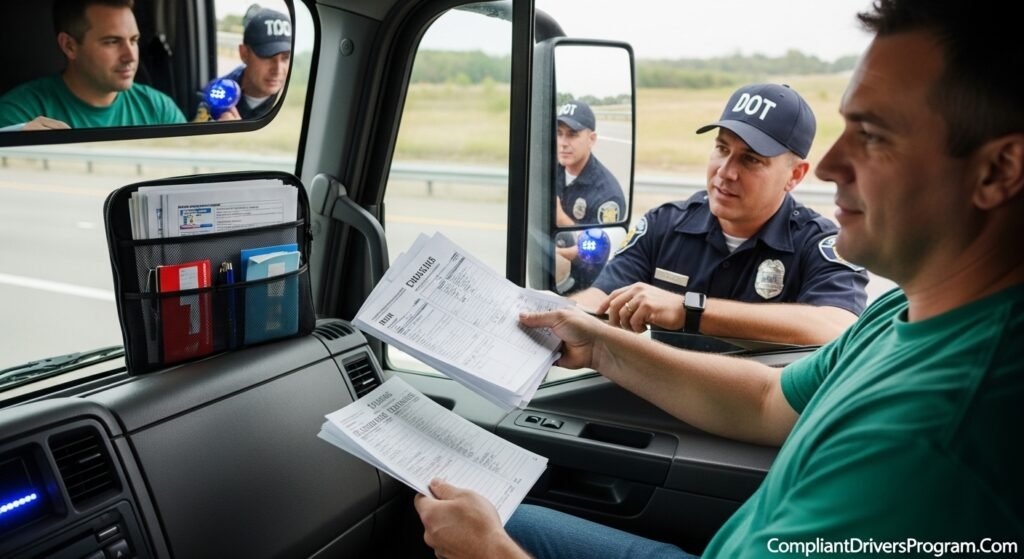
See lights flashing? Pull over calm. Hand over license, logs, DVIRs.
Keep reports in cab pouch. Show latest 7 days. Answer short and true.
Practice with Pre Trip Inspection: Checklist. Builds confidence fast.
Truck Driver Safety Link
Reports tie to safety. Spot issues early for Truck Accident Prevention. Fewer wrecks mean safer roads.
Follow Truck Driver Safety Tips. Combine with DVIRs for top scores.
Safe drivers get bonuses. Your family thanks you too.
Audit Trail Best Practices
Build a strong audit trail. Number reports sequentially. Cross-reference repairs.
Digital timestamps prove dates. Keep access logs if electronic. DOT loves this.
Review monthly. Spot patterns like repeat tire wear. Fix root causes.
Pro Tip: Color-code defects – red for urgent, yellow for soon. Speeds up reviews.
Real-World Examples
Take Joe, a solo driver. He skipped post-trips twice. Got hit with $2,500 fine.
He switched to daily DVIRs. Zero issues next year. Saved thousands.
Fleet in Texas digitized. Cut audit time from 4 hours to 30 min. More hauls, less hassle.
Staying Updated on Rules
Rules change yearly. Check FMCSA newsletters. Join driver forums.
Attend free webinars. They cover 2026 updates now. Stay ahead.
Your state’s DOT adds twists. Search local rules monthly.
FAQ
A: List driver name, vehicle ID, date, and safety defects. Keep 14 months. Next driver verifies fixes. (FMCSA, 2025)
A: Note truck info, check 20 items, list defects, sign. Do pre and post-trip daily.
A: Daily form for defects on brakes, tires, lights. Required for interstate trucks.
A: Yes, by certified inspector every 12 months. Sticker proves it’s current.
A: 14 months minimum. Digital or paper for audits.
A: Fines from $500-$10k, out-of-service orders, higher insurance.
A: Yes, print or digital with all required items. Customize as needed.
Conclusion
You now know vehicle inspection reports inside out. Do dailies right, schedule annuals, and keep records tight. This keeps you legal and safe.
- Check 20 key parts every trip.
- Sign and verify repairs always.
- Use digital for easy audits.
- Prep for roadside stops.
Your next step? Print a template today. Do your pre-trip now. Drive safe and compliant – you’ve got this.







![DOT Drug Test: What You Must Know in 2026 [Full Guide]](https://compliantdriversprogram.com/wp-content/uploads/2026/03/DOT-Drug-Test-150x150.jpeg)



Leave a Reply